In short: Mint oil quality is controlled along the whole chain: planting material and growing area, harvest and initial processing, distillation, storage and testing. For the oil, the key checks…
In short: GC-MS is the analysis that shows which compounds an essential oil contains and in what proportions; a COA summarises the test results for one lot. Check that the…
In short: Mint essential oil is used mainly to add a cool, fresh note to balms, roll-ons, toothpaste, mouthwash, cosmetics and room fragrances. Some specialised preparations, such as enteric-coated peppermint…
In short: Mint essential oil is highly concentrated: always dilute it before skin use (about 1–2% for adults, i.e. 6–12 drops in 30 ml of carrier oil), patch-test first and…
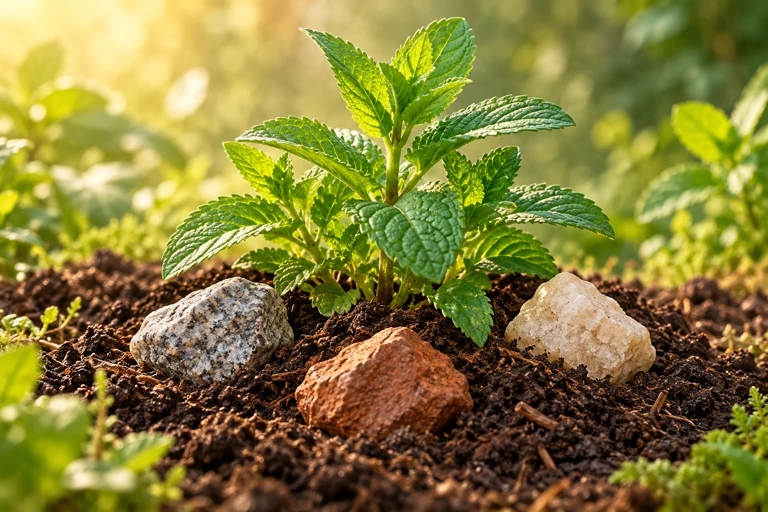
In short: Thao Duoc Xanh’s “three-legged stool” model combines three groups of practices: building soil with organic matter, balanced stage-by-stage nutrition, and beneficial microorganisms to keep plants healthy. The three…
In short: A 60-day feeding plan for SW88 mint follows the growth stages: days 0–7 rooting, 8–20 recovery, 21–35 canopy development, 36–50 biomass build-up and 51–60 pre-harvest. The basis is…
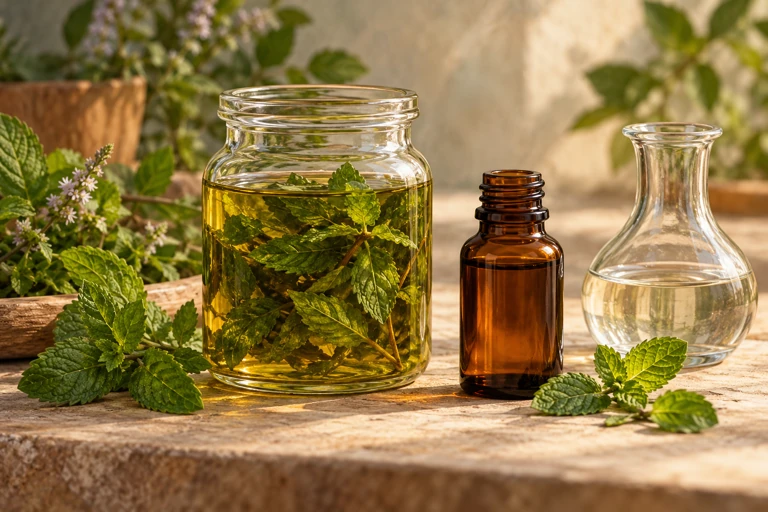
In short: Two different things are often called “mint oil”. Steeping leaves in a carrier oil (coconut, olive) gives an infused oil you can make at home, with a mild…
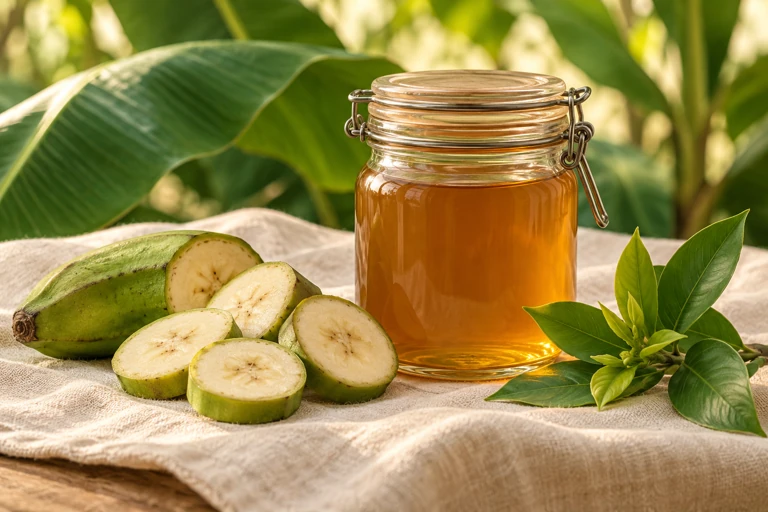
In short: Fermented banana peel liquid is made by steeping chopped peels in water with sugar (or a microbial starter) for 2–4 weeks. Banana peel contains potassium, so the liquid…
In short: Fish liquid fertilizer is made by fermenting fish or fish by-products (heads, guts, bones) with molasses and a microbial starter for 3–6 weeks, giving a liquid rich in…