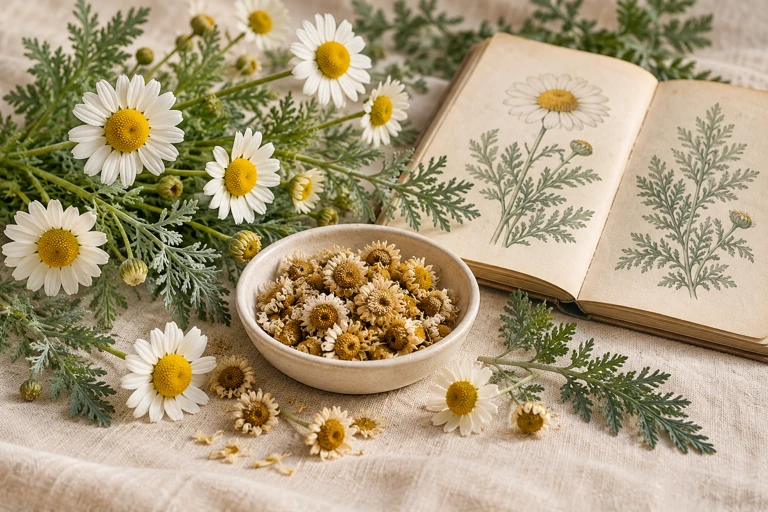
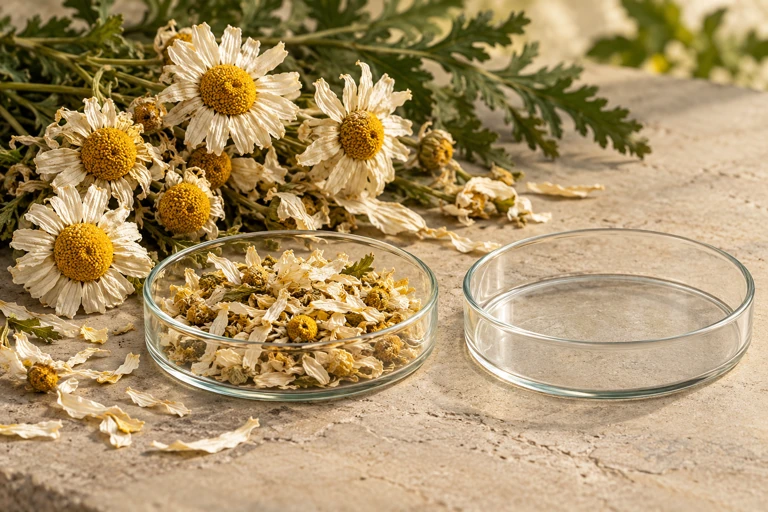
In short: Powdered flowers were traded as an insecticide in the 19th century under names such as “Persian powder” and “Dalmatian powder”. The most potent species is Dalmatian pyrethrum (Tanacetum…
In short: Pyrethrins are natural compounds found in pyrethrum flowers; they break down quickly in sunlight and air. Pyrethroids are synthetic compounds modelled on pyrethrins but designed to be more…
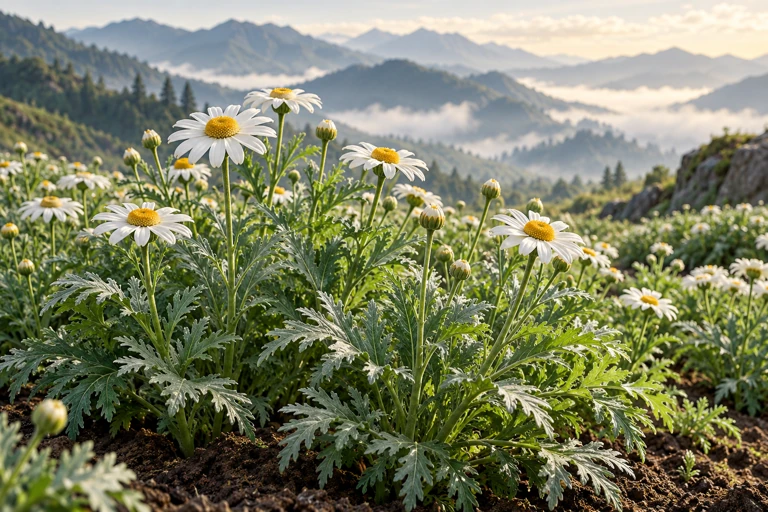
In short: Pyrethrum suits cool climates and free-draining, slightly acidic to neutral soils. Key steps: choose a field that does not waterlog, raise seedlings from seed of known origin, keep…
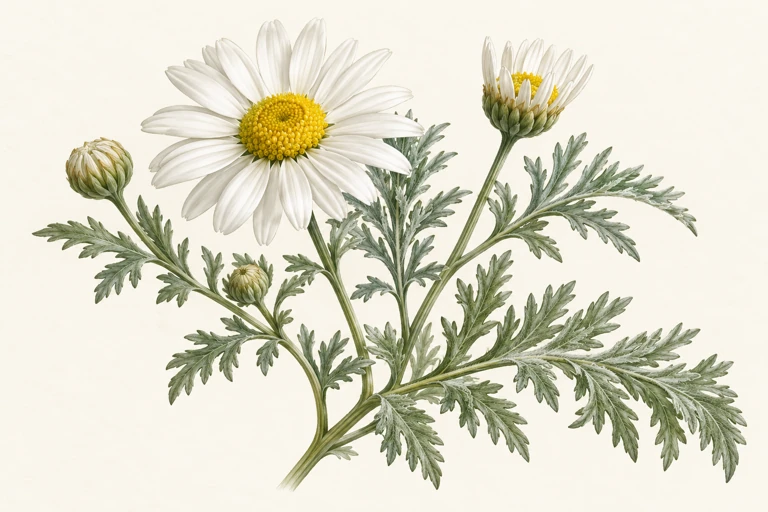
In short: Pyrethrum (Tanacetum cinerariifolium) is a daisy-like plant in the Asteraceae family whose flowers contain pyrethrins, natural compounds used as raw material for insect-control products. Cool highland areas of…
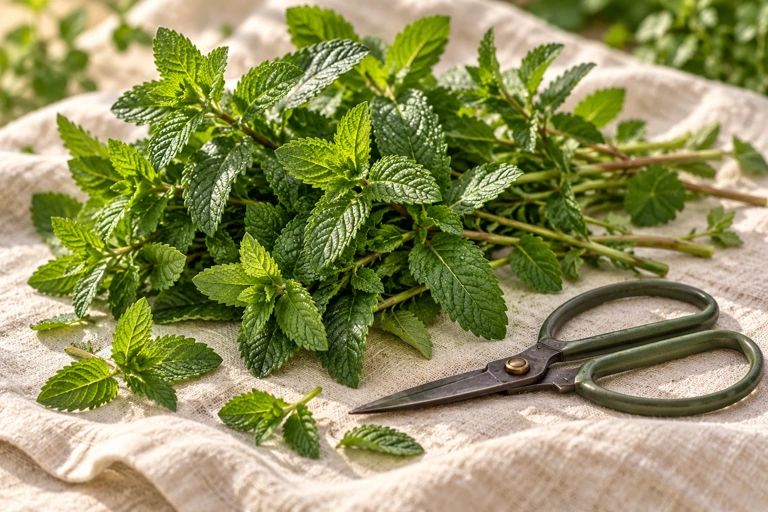
In short: Mint grown for oil is best harvested from bud formation to early flowering, when oil and menthol content are usually high. Cut in the morning once the dew…
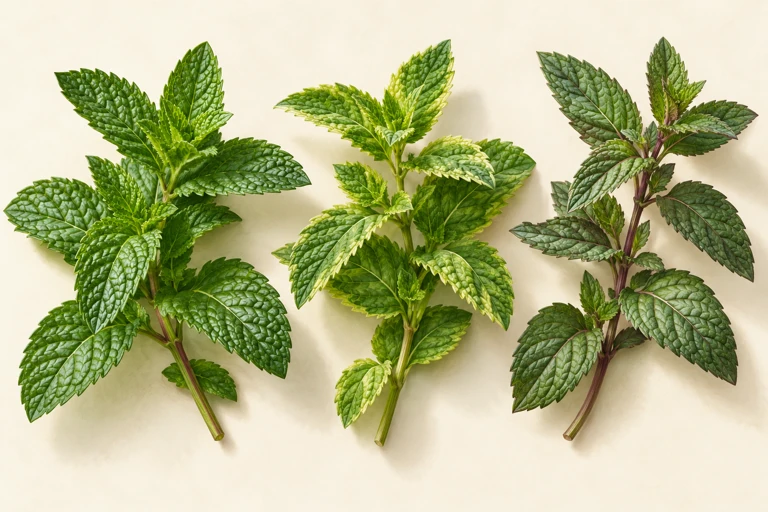
In short: Asian mint (Mentha arvensis, also called Japanese mint) is the richest in menthol and the main source of menthol crystals. Peppermint (Mentha × piperita) is a hybrid with…
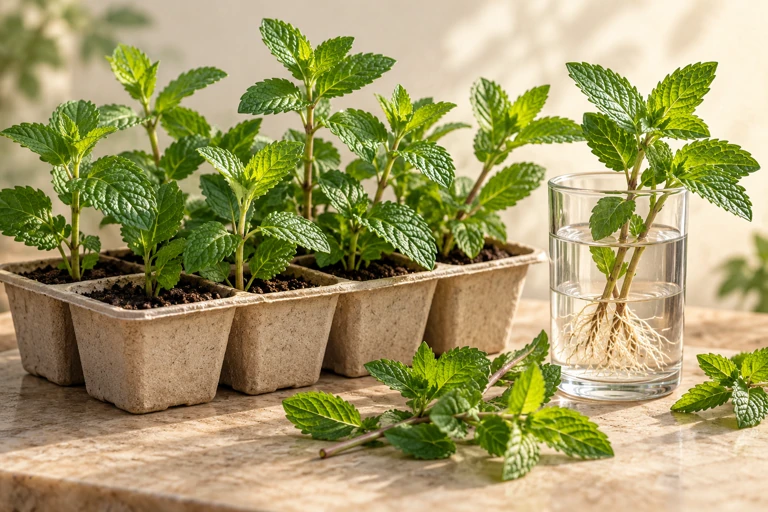
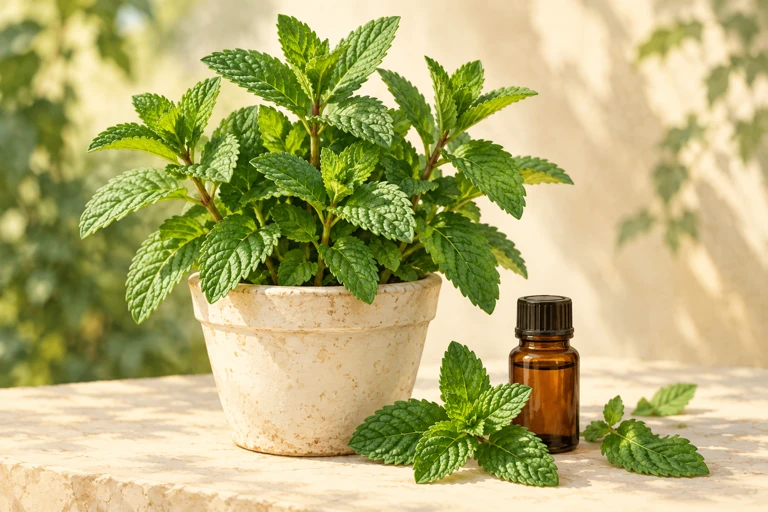
In short: SW88 is a Japanese mint variety (Mentha arvensis group) that Thao Duoc Xanh grows in Phu Tho, Vietnam, for essential oil and menthol. When sourcing planting stock, ask…
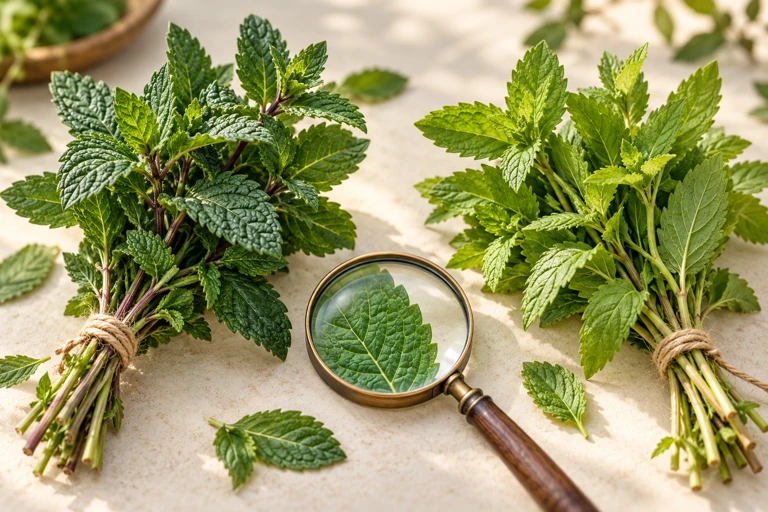
In short: Japanese mint (Mentha arvensis) usually yields oil with more menthol, has larger leaves and sturdier stems, and is grown mainly for distillation. Common mints such as spearmint have…