Camphor oil is steam-distilled from the leaves, branches or wood of the camphor tree (long não), Cinnamomum camphora. Oil from camphor-type trees usually contains 60–85% camphor, with a typical cool, sharp scent.
Camphor is familiar in balms, rubs and nasal inhalers. It is also used to repel mosquitoes, cockroaches and moths in the home.
Quick facts
- Scientific name
- Cinnamomum camphora (L.) J.Presl
- Trade name
- Camphor oil
- Part used
- Leaves, branches, wood
- Method
- Steam distillation
- Appearance and odour
- Colourless to pale yellow; cool, sharp scent
- Main components
- Camphor 60–85% (camphor type); 1,8-cineole, limonene
- Storage
- Dark glass bottle, tightly closed, out of children’s reach
What is camphor oil?
The camphor tree is a large tree in the laurel family (Lauraceae), the same family as cassia and litsea. The whole tree contains essential oil: leaves, branches, wood and roots. Crush a leaf and you will smell a cool, sharp scent, much like a medicated oil.
Steam-distilling these parts gives a colourless to pale yellow oil.
Pure camphor is a white crystalline solid that evaporates slowly at room temperature. Before synthetic camphor existed, most of the world’s camphor came from the camphor tree. Producers distilled the wood, then cooled the oil so the camphor crystallised.
What does the camphor tree look like, and where does it grow?
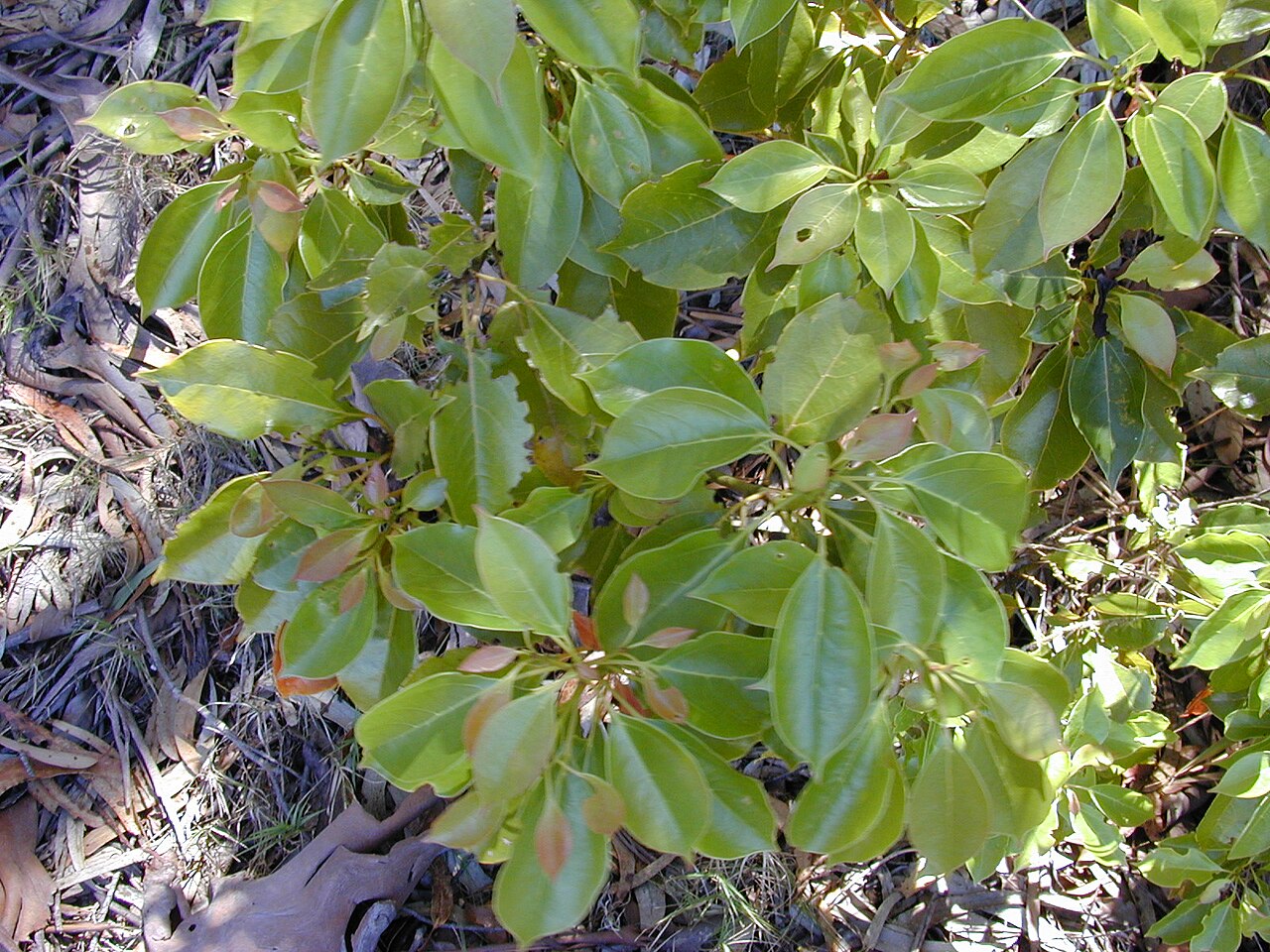
The camphor tree is an evergreen, 15–30 m tall, with a wide crown and grey, vertically cracked bark. The leaves are egg-shaped and glossy on top, with three clear veins. They smell fragrant when crushed. The small flowers are yellow-green, and the round berries turn black when ripe.
The tree lives a very long time; some trees are hundreds of years old. In Vietnam, camphor is grown in the northern mountains and midlands. Provinces with many trees include Tuyen Quang (including former Ha Giang province), Phu Tho, Cao Bang, Lang Son and Lao Cai (including former Yen Bai province).
In Ha Noi, camphor is a familiar shade tree along streets, in schoolyards and at temples and pagodas. Even so, Vietnam has no concentrated plantations grown for essential oil yet.
Camphor in Vietnamese daily life
Many older Vietnamese still remember the smell of camphor in wooden chests, wardrobes and their grandparents’ book boxes. White camphor blocks in the corner of a cupboard kept belongings safer from insects and damp. Old camphor trees in front of village halls and school gates are a familiar sight in many villages.
In the past, fallen camphor leaves were gathered and burned to keep mosquitoes away in the evening. Camphor oil keeps these traditional uses in a form that is easier to dose, with less smoke and dust.
Camphor tree chemotypes
Camphor trees come in several chemical types (chemotypes), even though they look exactly the same. The three most common are:
| Type | Main component | Scent | Uses |
|---|---|---|---|
| Camphor | Camphor | Cool, sharp | Insect repelling, balms |
| Linalool (Ho leaf) | Linalool | Floral, soft wood | Perfumery, cosmetics |
| Cineole | 1,8-Cineole | Cool, eucalyptus-like | Inhalation, balms |
There are also types rich in borneol, nerolidol or safrole. Safrole is restricted in cosmetics and food, so safrole-type oil cannot be mixed with the others. That is why the company always analyses leaf samples before buying.
The analysis shows which type a tree belongs to and what each oil lot can be used for. A survey of trees planted in Gia Lai found that the wood of mature trees contains about 2% essential oil, mainly camphor.
Uses
Traditional use
Camphor is described as pungent and hot. In traditional Vietnamese medicine, camphor is mainly used externally:
- rubbed on for aches, bruises and sprains;
- inhaled to ease a blocked nose and headache during a cold;
- placed in wardrobes and chests to protect clothes and books from insects.
What research says
- Pain and itch relief on the skin: camphor is a common topical ingredient in balms, rubs and chest rubs. It creates a warming-cooling feeling that helps relieve local pain and itching.
- Repelling mosquitoes, cockroaches and moths: the smell of camphor is used to repel mosquitoes, cockroaches and clothes moths. Some trials also show that it kills a few insect species.
For information only; not a substitute for medical advice.
Applications by industry
| Industry | Applications |
|---|---|
| Pharmaceuticals, balms | Balms, ointments, chest rubs (within regulations) |
| Household | Deodorising cupboards and storerooms; mosquito, cockroach and moth repellent products |
| Cleaning | Floor cleaners, wood cleaners |
| Raw material | Isolation of natural camphor |
Why source camphor oil from Vietnam?
Historically, natural camphor came mainly from East Asia, including China, Taiwan and Japan. Today much camphor on the market is synthetic. Natural camphor oil from Vietnam offers a few things that matter to buyers.
- Plant-derived, not synthetic: the oil is distilled directly from the tree, which suits brands that want natural ingredients.
- Leaves and prunings first: we prioritise leaves and pruned branches, so harvesting does not depend on felling trees.
- Chemotype tested: leaf samples are analysed before buying, so each lot is matched to the right use.
- Safrole screening: the chromatogram also helps detect safrole if present.
- Northern growing belt: the tree is widespread in the northern mountains and midlands; Gia Lai is also a priority buying area.
Supply is still built from scattered trees and new leaf plantings, not large plantations. Buyers should plan volumes together with us.
Scent profile and blending
Camphor smells cool, sharp and clean. It recalls medicated oils and old wooden wardrobes. The scent is strong, so use only a little.
- Blend with Java citronella for a mosquito and cockroach repellent mix.
- Blend with mint and ginger for a warming-cooling rub.
- Blend with patchouli for anti-moth wardrobe sachets.

How to use at home
- Repelling cockroaches and moths: put 3–5 drops on a wooden block or cotton wool. Place it in an open container in the corner of a cupboard or under the kitchen sink. Add more when the smell fades.
- Repelling mosquitoes: mop the floor with 5–10 drops in a bucket of water. Or put 3–4 drops in a diffuser in an adult’s room, running it on and off.
- Massage for aches: mix 2–3 drops with 10 ml carrier oil. Rub on a small area only, for a short period, and never on open wounds.
DIY natural “camphor blocks” for your wardrobe
Take a few pieces of pine, other soft wood or porous stone. Put 3–4 drops of camphor oil on each piece and let them dry for 15 minutes. Wrap them in a loose-weave cloth bag and place in a wardrobe corner or drawer.
This replaces mothballs with a nicer smell, though it fades faster. Add more oil every 2–3 weeks. Keep the bag where children and pets cannot reach it.
Safe use
- Camphor is poisonous if swallowed, even in small amounts for children. Signs may include vomiting, drowsiness and seizures.
- If swallowed: do not induce vomiting. Go to a medical facility immediately and take the bottle with you.
- Do not use on young children, especially under 2 years old. Do not apply or drip the oil near a child’s nose or face.
- Do not use during pregnancy or breastfeeding, or for people with a history of seizures or epilepsy.
- Do not apply undiluted, do not apply to open wounds, and do not swallow.
- Do not diffuse in a closed room with dogs or cats; keep the bottle away from pets.
Real camphor and mothballs
| Criterion | Camphor from the camphor tree | Mothballs (naphthalene) |
|---|---|---|
| Origin | Essential oil of the camphor tree | Synthesised from petroleum or coal tar |
| Scent | Cool, sharp, clean | Pungent, heavy |
| Notes | Used in balms within regulations | Not for use on people; restricted in many countries |
Many “camphor” blocks sold at local markets are actually naphthalene or synthetic camphor. Naphthalene is especially dangerous for newborns and people with G6PD deficiency. Camphor oil is distilled directly from the tree.
How to recognise good oil, and how to store it
- Good oil is clear, with a clean, cool, sharp smell. Camphor-type oil may form crystals when cold.
- A soft, floral smell means linalool-type oil. It is still genuine camphor-tree oil, but it has different uses.
- Keep tightly closed in a cool place. Camphor evaporates, so leaving the cap off means losing oil.
Quality specifications
The main specifications are camphor content and a chromatogram to identify the chemotype. The chromatogram also helps detect safrole if present. Every lot comes with a COA and an MSDS.
Reference figures only; actual specifications follow the COA of each lot.
What buyers usually ask for
Because the camphor tree has several chemotypes, buyers usually check identity first and use second.
- Chemotype confirmation: buyers want to know if a lot is camphor-type, linalool-type or cineole-type.
- Camphor content: shown on the COA of each lot.
- Safrole check: important for cosmetic, household and personal-care uses.
- COA and MSDS: every lot has both.
- Raw material source: some buyers ask whether the oil comes from leaves, branches or wood. We prioritise leaves and prunings.
- Sample before contract: most buyers test a sample first. Contact us to discuss what is available.
Growers & cooperatives
The company buys fresh leaves and pruned branches from gardens, hillside plantings and urban tree-care works. Wood chips must be delivered within a few days, because they lose oil if left too long. Priority areas: the northern mountains and midlands (Tuyen Quang, Phu Tho, Cao Bang, Lang Son, Lao Cai) and Gia Lai.
- Before signing a purchase agreement, the company takes leaf samples for analysis to identify the tree type.
- We welcome new contract-growing as leaf plantations, pruned every year.
- Sustainability commitment: priority for leaves and pruned branches. We do not buy wood from illegally felled trees.
To sell camphor leaves or prunings, call or message on Zalo: +84 983 299 529. See more on the Raw material sourcing page.
Extraction process
- Collect leaves and pruned branches; take samples to analyse the tree type.
- Cut short or chip; steam-distil.
- Separate the oil layer and filter.
- Test camphor content and keep the COA under the lot number.
Frequently asked questions
How is camphor oil different from the camphor blocks sold at markets?
Many “camphor” blocks are actually naphthalene or synthetic camphor. Camphor oil is distilled directly from the leaves and branches of the tree.
Does camphor oil keep cockroaches away?
The smell of camphor makes cockroaches avoid the places where the oil is applied. Keep the kitchen dry and clear away food scraps as well.
Why does oil from the same species smell different?
Each tree can belong to a different chemotype. Camphor-type oil smells cool and sharp, while linalool-type oil smells floral.
Can camphor oil be used on children?
No. Do not use it on young children, especially under 2 years old. Always keep the bottle out of children’s reach.
What is Ho leaf oil?
It is oil from the linalool type of camphor tree. It smells floral and woody and is used in perfumery and cosmetics, not for insect repelling.
How soon can a new camphor planting be harvested for leaves?
Trees can be pruned for leaves after a few years. The company advises on spacing and pruning when you join contract-growing.
I have a row of camphor trees that need pruning. Will the company buy the leaves?
Yes, after testing a leaf sample.
Read more: Java citronella oil Patchouli oil Cassia leaf oil Vietnamese herbal essential oils
Supplying camphor raw material, or interested in contract growing?
Thảo Dược Xanh buys raw materials and provides technical support to farmers and cooperatives in Vietnam.
References: Camphor tree – Do Tat Loi, Medicinal Plants and Remedies of Vietnam · Survey of camphor wood oil from trees planted in Gia Lai