Java citronella oil is steam-distilled from the leaves of Cymbopogon winterianus. Its three main components are citronellal, geraniol and citronellol, which give a fresh, slightly sweet and floral grassy scent.
It is one of the most widely used oils to repel mosquitoes and cockroaches, and it also goes into floor cleaners, soaps and scented candles. Java citronella is a different plant from the lemongrass used in cooking.
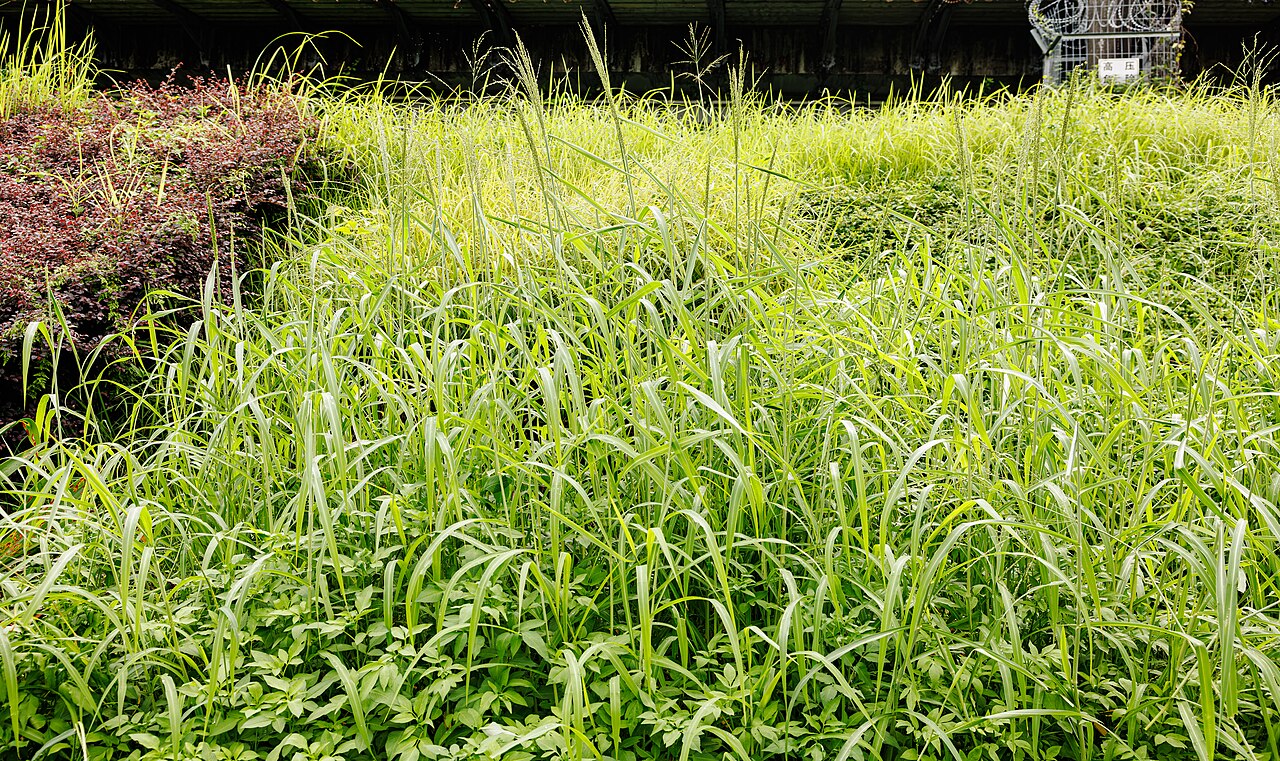
Quick facts
- Scientific name
- Cymbopogon winterianus Jowitt ex Bor
- Trade name
- Citronella oil, Java type
- Part used
- Leaves
- Method
- Steam distillation
- Appearance & odour
- Pale yellow; fresh, slightly sweet citronella scent
- Main components
- Citronellal 31–40%, geraniol 20–25%, citronellol 8.5–14%
- Storage
- Dark glass bottle, tightly closed, in a cool place
What is Java citronella oil?
Java citronella (sả Java) is a grass grown specifically for its essential oil. Its leaves are long and soft. They smell sweet, like rose mixed with lemon, and are quite unlike the sharp lemon note of kitchen lemongrass.
Distilling the leaves gives a pale yellow oil with a fresh, long-lasting citronella scent.
The world trade knows two types of citronella oil: the Java type (from C. winterianus) and the Ceylon type (from C. nardus).
The Java type is richer in citronellal and geraniol. Its scent is softer and more pleasant, so the fragrance and household products industries generally prefer it.
Java citronella vs Ceylon citronella and lemongrass
| Criterion | Java citronella | Ceylon citronella | Lemongrass |
|---|---|---|---|
| Scientific name | C. winterianus | C. nardus | C. citratus |
| Main components | Citronellal, geraniol | Geraniol, citronellal (less), camphene | Citral |
| Scent | Sweet grassy, slightly rosy | Sharp, slightly woody | Fresh, sharp lemon |
| Main uses | Insect repellents, household, fragrance | Household | Cooking, tea, lemon flavour |
Because their scent and composition differ, these oils cannot fully replace each other. Java citronella has been studied more for repelling mosquitoes. Lemongrass is better suited to lemon flavouring for food and drinks.
Uses
What research says: mosquito repellent
Citronella is one of the oldest and most studied essential oils used to repel mosquitoes. Studies suggest the scent of citronellal and geraniol masks the body odours that mosquitoes use to find people.
Protection is shorter than with synthetic repellents, usually only about 1–2 hours and sometimes less. That is why it needs to be reapplied or re-sprayed.
What research says: cockroaches and flies
In some laboratory tests, Java citronella oil repelled and killed cockroaches and flies. At home, treat it as a supporting measure only.
Mopping with citronella water works best alongside a dry kitchen and no leftover food.
Traditional use
In Vietnamese folk practice, citronella leaves are boiled for a steam bath when people catch a cold, to help them sweat and breathe more easily. The leaf water is also used to wash hair and bathe, for a clean, fresh scent.
For information only; not a substitute for medical advice.
Why Java citronella suits Vietnamese homes
The hot, humid climate lets mosquitoes and cockroaches thrive all year, especially in the rainy season. Most people find the scent of Java citronella pleasant.
The oil can be used in living rooms, kitchens and bathrooms, as long as it is diluted and diffused in short sessions.
In areas with a dengue outbreak, however, citronella oil should only be an extra measure. Sleeping under a mosquito net, killing larvae and emptying standing water remain the most important steps.
Industrial applications
| Industry | Applications |
|---|---|
| Household | Floor cleaners, room sprays, candles and insect-repellent products |
| Cleaning | Dishwashing liquid, soap |
| Cosmetics | Shower gel, shampoo (at low levels) |
| Raw material | Isolation of citronellal and geraniol for the fragrance industry |
For B2B buyers, the oil is valued in two ways. Some use it “as is” for its scent and repellent image in finished products. Others treat it as a natural source of citronellal and geraniol for further processing.
Scent profile and blending
Java citronella smells fresh, grassy and slightly sweet. It lasts longer than many other grass oils.
- Blend with litsea (May Chang) and lemon for a bright, fresh scent that suits living rooms.
- Blend with basil and mint for a stronger repellent blend.
- Blend with cassia leaf for a clean, warm kitchen cleaner.

How to use at home
- Keep mosquitoes out of a room: 5–6 drops in a diffuser in the evening, with doors and windows mostly closed.
- Spray rooms, curtains, under beds: 20 drops + 10 ml alcohol + 90 ml water; shake well before spraying.
- Deter cockroaches: mop floors and under the kitchen counter with 15 drops in a bucket of water. Put a few drops on cotton balls in cupboard corners and under the sink.
- On skin when going out: dilute to 1–2% (2–4 drops in 10 ml coconut oil). Patch-test on the wrist first and reapply after 1–2 hours.
Three simple DIY repellent products
- Room mosquito spray: 100 ml distilled water, 10 ml 70% alcohol, 15 drops Java citronella, 5 drops litsea or basil. Shake before spraying on curtains, under beds and in dark corners. Do not spray directly on the face.
- Arm and leg oil (adults): 10 ml coconut oil, 3 drops Java citronella, 1 drop mint. Apply to exposed skin and reapply after 1–2 hours. For children aged 2 to 6, leave out the mint and use only 1–2 drops of Java citronella.
- Scent sachet for doors: put 10 drops on a handful of cotton or wood shavings and place in a thin cloth bag. Hang it by a window and add more drops when the scent fades.
These recipes are for household use. A product sold on the market with insect-repellent claims must be registered under the applicable regulations.
Safe use
- Do not apply undiluted. Do not apply to children under 2.
- Pregnant or breastfeeding women and people with asthma should ask a doctor before applying or diffusing.
- Do not swallow. Avoid the eyes. Keep out of reach of children. If swallowed, do not induce vomiting; call 115 (Vietnam emergency) or go to a medical facility.
- Do not apply to the fur of dogs or cats. Do not diffuse in a closed room with a cat.
- Stop using if the skin turns red or itchy.
How to recognise good oil and store it
- Good oil is pale yellow and clear, with a sweet citronella scent. It should not smell burnt or of kerosene.
- Poor citronella oil often smells harsh and less sweet. This can happen when leaves are distilled too long or mixed with other grasses.
- Keep it tightly closed in a cool place. The oil keeps its scent well for about 2–3 years.
Quality specifications
Reference standard: TCVN 11426:2016 (ISO 3848:2016). Relative density at 20 °C: 0.880–0.902. Refractive index: 1.4663–1.4770. Optical rotation: −5° to +1°. The chromatogram must show citronellal, geraniol and citronellol within the specified ranges.
Oil richer in citronellal and geraniol is usually valued more highly. Every lot comes with a COA and MSDS.
Reference figures; actual values follow the COA of each lot.
Why source Java citronella from Vietnam?
Java citronella is a perennial grass that grows well on the hilly land of northern Vietnam and the Central Highlands. Several cooperatives already farm it as an organised crop, so supply does not depend on wild collection.
Because the plant is cut several times a year, leaf supply is spread across the seasons. This helps distillers keep a steadier flow of oil than with crops harvested only once a year.
Vietnam also has a long tradition of using citronella-type grasses at home. Growers know the plant, and the skills to cut, wilt and distil leaves already exist in the growing areas.
How origins compare
Java-type citronella oil is traded from several Asian countries, and Indonesia, China and India are well-known sources. Ceylon-type oil comes mainly from Sri Lanka.
Oils of the same type can still differ by origin. Soil, climate, number of cuttings and distillation practice all affect the citronellal and geraniol balance.
For this reason, experienced buyers compare lots by their analysis rather than by country name alone. The ISO 3848 ranges above give a common basis for that comparison.
What buyers usually ask for
International buyers of citronella oil usually ask for a similar set of documents and checks before they commit:
- COA (certificate of analysis) for the specific lot, showing physical values and main components.
- GC-MS or GC chromatogram to confirm the citronellal, geraniol and citronellol profile.
- MSDS / SDS for safe handling, transport and storage.
- A sample before contract, so the oil can be tested in the buyer’s own formula.
- Lot traceability, linking each drum to a growing area and distillation date.
If you are evaluating Java citronella oil for a product, contact us to discuss your specification and the documents available for current lots.
Growers & cooperatives
Java citronella is planted once and harvested for many years, with several cuttings a year. It tolerates sloping, dry and poor land and needs little fertiliser. Cooperatives in Tram Tau (Lao Cai, formerly Yen Bai province) and Muong La (Son La) already grow it at scale, and some areas of Lam Dong grow it too.
- The company buys fresh or wilted leaves cut on sunny days, or crude oil from cooperative stills.
- Leaf yield and oil content depend on soil, fertiliser and the number of cuttings. The company tests samples before signing a contract.
- Free seedlings and technical support for new growers; purchase contracts are signed with growers.
Why Java citronella suits hilly midland and mountain land:
- Its dense, fibrous roots hold the soil and reduce erosion on slopes.
- It has few pests and diseases and needs almost no spraying. Weeding and organic fertiliser after each cutting are still needed.
- Farmers earn money several times a year instead of waiting for one harvest. This suits households that need a steady income.
- Spent leaves after distillation are composted and returned to the same citronella fields.
See more on the Raw material sourcing page.
Extraction process
- Cut leaves 15–20 cm above the base so the plant regrows; wilt them briefly.
- Steam-distil and separate the oil layer.
- Settle, filter and remove water.
- Test the oil and keep the COA under the lot code.
Frequently asked questions
How long does Java citronella oil repel mosquitoes?
Usually about 1–2 hours after each application or spray, sometimes less. Diffusing in a room keeps the scent more even, but use short sessions and leave a window slightly open.
How is Java citronella different from lemongrass?
Lemongrass is rich in citral, smells of lemon and is used in cooking. Java citronella is rich in citronellal and geraniol and has been studied more for repelling mosquitoes.
How do I use Java citronella against cockroaches?
Mop floors and under cupboards every day, keep the kitchen dry and do not leave food out.
Can citronella oil be used on young children?
Do not apply it to children under 2. For older children, use only a well-diluted blend and patch-test first.
Should I heat citronella oil in a burner with a flame?
It is better to use an ultrasonic diffuser. Flame burners can cause fires and spoil the scent of the oil.
Does Java citronella oil repel ants and rats?
The strong scent makes ants avoid mopped areas. Its effect on rats is unclear, so seal gaps and keep the house clean as well.
Is Java citronella oil the same as Ceylon citronella oil?
No. They come from different species and have different compositions. The Java type is richer in citronellal and geraniol and has a sweeter scent.
What documents come with a lot of Java citronella oil?
Every lot comes with a COA and MSDS. Contact us if your quality team needs other information for evaluation.
I have unused hilly land. Can I grow Java citronella?
Usually yes. Contact us so the company can survey the land, supply seedlings and discuss a purchase plan.
Read more: Litsea cubeba oil Thai basil oil Camphor oil Vietnamese herbal essential oils
Supplying java citronella raw material, or interested in contract growing?
Thảo Dược Xanh buys raw materials and provides technical support to farmers and cooperatives in Vietnam.
References: TCVN 11426:2016 – Java citronella oil · How citronella changed Tram Tau (Industry and Trade Magazine) · Muong La cooperative grows with Java citronella (VnBusiness)