Thảo Dược Xanh (Blue Herbs) buys raw materials for 15 essential oils. They are cornmint, cassia (bark, and twigs and leaves), Java citronella, litsea cubeba, star anise, clove basil, ginger, patchouli, tsao-ko, camphor, white champaca, homalomena, shampoo ginger and Thai basil.
This page explains what we buy, from which areas, in which seasons, our requirements, the support we offer and how to contact us. Prices are quoted per lot when you contact us.
Quick facts
- Oils covered
- 15 essential oils from Vietnamese plants
- Who we buy from
- Farming households, cooperatives, forest owners, harvesters, tree-care units
- What we buy
- Leaves, whole plants, fruits, bark, twigs, rhizomes; crude oil from co-op stills after testing
- How prices are set
- Per lot, based on sample results, dryness, cleanliness and volume
- Support
- Free planting stock and technical support for selected crops; contract purchasing
- Contact
- Phone/Zalo +84 983 299 529
Who is this page for?
- Farming households that grow, or want to grow, Java citronella, cornmint, clove basil, patchouli, Thai basil, ginger or shampoo ginger.
- Cooperatives that want a stable outlet with a contract, or that already have a still and want to sell crude oil.
- Forest owners and harvesters with cassia, star anise, litsea cubeba, tsao-ko, camphor or homalomena.
- Urban tree-care units and garden owners with white champaca or camphor leaves to prune.
- Agricultural extension officers, commune officials and livelihood projects looking for a company to partner with and guarantee purchases.
This page is written mainly for people who supply raw materials in Vietnam. International buyers, NGOs and project partners can also use it to understand where our oils come from and how we work with growers.
What we buy, where and when
Province names follow the administrative boundaries after the 2025 merger, with former names in brackets.
| Raw material | Priority areas | Harvest season | Form and requirements | Oil yield (reference) |
|---|---|---|---|---|
| Cornmint (whole plant) | Phu Tho (Lac Luong – formerly Hoa Binh province); Tuyen Quang (Yen Minh, Quan Ba – formerly Ha Giang province); new growers receive SW88 planting stock | 3–4 harvests/year, June–November | Plants cut at about 70% flowering, fresh or lightly wilted, no weeds | 0.7–0.8% of fresh plant |
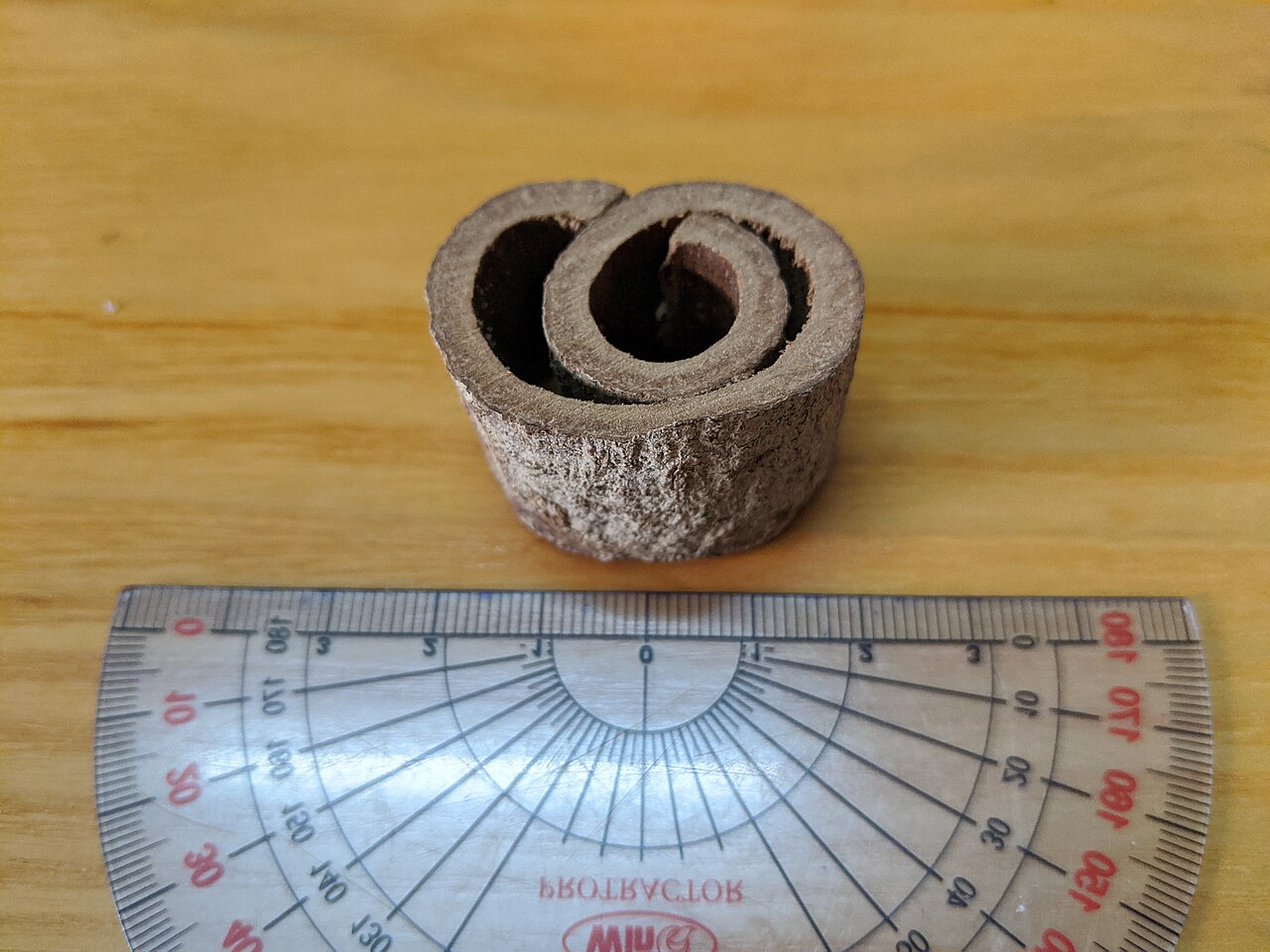
| Cassia (bark, twigs, leaves) | Lao Cai (Van Yen, Tran Yen – formerly Yen Bai province; Bac Ha, Bao Yen, Van Ban); Thai Nguyen; Thanh Hoa; Nghe An; Da Nang (Tra My); Quang Ngai (Tra Bong) | Bark: March–April, August–October; twigs and leaves: all year | Dried bark, bark fragments; fresh or dried twigs and leaves, not mouldy | Dried twig bark 2–4% |
| Java citronella (leaves) | Lao Cai (Tram Tau, Van Ban); Son La (Muong La); Lam Dong (Lam Ha); Gia Lai; sloping hill land | 5–7 harvests/year | Leaves cut on sunny days, fresh or wilted | About 0.8% of fresh leaves |
| Litsea cubeba (fruit) | Lao Cai (Bat Xat, Sa Pa, Bac Ha, Bao Thang, Van Ban); Lai Chau; Tuyen Quang; Cao Bang | April–June | Fresh fruit, distilled soon after picking; trees must not be cut | 2.2–2.7% of fresh fruit |
| Star anise (fruit, leaves) | Lang Son (Van Quan, Binh Gia, Van Lang, Loc Binh, Cao Loc, Chi Lang, Trang Dinh); Cao Bang (Thach An, Trung Khanh, Bao Lac, Bao Lam) | Main crop about July–September; spring crop after Lunar New Year | Fresh or dried fruit (dried at ≤ 50 °C, moisture ≤ 10%); broken fruit; pruned leaves and twigs | Fresh fruit 3–3.5%; dried fruit about 9–10% |
| Clove basil | Thanh Hoa, Nghe An, Phu Tho, Son La, Quang Tri, Dak Lak, Gia Lai — new contract-growing partners welcome | At full flowering, 2–3 harvests/year | Fresh plants, distilled right after cutting | 0.6–0.8% of fresh plant |
| Ginger (rhizome) | Nghe An (Ky Son); Lao Cai (Si Ma Cai); Quang Tri (Huong Hoa); Quang Ngai (Tinh An) | October–December | Fresh rhizomes or dried slices, including small or misshapen rhizomes | About 0.4% of fresh rhizome |
| Patchouli (leaves) | New contract-growing partners welcome in hot, humid areas | 2–4 harvests/year | Leaves dried in the shade, then fermented; not dried above 40 °C | 0.5–1.2% of dried leaves |
| Tsao-ko (fruit) | Lao Cai (Bat Xat, Sa Pa, Van Ban, Mu Cang Chai); Lai Chau (Phong Tho); Tuyen Quang (Vi Xuyen) | Late July – October, depending on altitude | Dried fruit, from production forests and household gardens | 1–1.5% of dried fruit |
| Camphor (leaves, twigs) | Northern mountains and midlands; Gia Lai | All year | Fresh pruned leaves and twigs; tree type tested from a sample first | Depends on tree type; given after a leaf sample test |
| White champaca (leaves) | Pruned leaves from gardens and urban tree projects | All year | Fresh leaves and small twigs | 0.2–0.4% of fresh leaves |
| Homalomena (rhizome) | Thanh Hoa, Nghe An, Hue, Gia Lai, Lang Son, Lao Cai | August–December | Dried rhizomes, small roots removed; harvested leaving the base | 0.8–1% of dried rhizome |
| Shampoo ginger (rhizome) | Grows wild everywhere; priority for high-zerumbone sources | Autumn | Fresh or dried rhizomes; send a sample first | About 0.7% of fresh rhizome |
| Thai basil (whole plant) | Thai Nguyen, Thanh Hoa, Dak Lak and vegetable-growing areas | 3–5 harvests/year | Plants at full flowering, wilted for 1–2 days | About 0.5% on a dry basis |
Oil yields are reference figures from the literature. Actual yields depend on the variety, the area and how the raw material is handled.
Selling raw materials to us: 4 steps
- Contact us by phone or Zalo. Tell us the type of raw material, your area and estimated volume, and send a few photos.
- Send a sample (usually 1–2 kg) so we can analyse the oil content and main components.
- Receive a price quote based on the sample results, dryness, cleanliness and volume.
- Sign a purchase contract by season or by year. We agree on delivery, inspection and payment.
For fresh raw materials such as litsea cubeba fruit, citronella leaves, cornmint and clove basil plants, we arrange separate collection schedules. The aim is to get the material into the still as soon as possible.
General requirements for raw materials
- Correct species: send photos of the plant, leaves, flowers and fruit when you sell for the first time. This lets us confirm the species, for example Vietnamese star anise, not Japanese star anise.
- Right harvest time: each plant has a moment when it holds the most oil. This is usually at flowering (cornmint, clove basil, Thai basil) or when the fruit is still green and firm (litsea cubeba).
- Clean: no soil, stones, weeds or other plants mixed in. If pesticides were sprayed, the waiting period on the product label must have passed, and you must tell us.
- Properly dried: dried material must be evenly dry and free of mould. Do not dry it too hot, as heat drives off the essential oil.
- Clear origin: state the area, harvest date and harvester, so we can separate lots and trace them.
Support for growers and cooperatives
- Free planting stock and technical support for SW88 cornmint, Java citronella, clove basil, patchouli, Thai basil and shampoo ginger.
- Guidance on making organic compost from by-products, including leaf residue after distillation.
- Guidance on harvesting and post-harvest handling to keep the oil content high: when to cut, how to dry in the shade, how to ferment patchouli leaves, and how to dry star anise at the right temperature.
- Clear purchase contracts with each household or cooperative.
- Purchase of crude oil from cooperative stills after a sample test. We also help improve equipment, clean stills and keep records of each distillation run.

Commitment to sustainable harvesting
Many essential-oil raw materials come from forests. Thảo Dược Xanh commits to the following:
- We do not buy raw materials from forest clearing, special-use forests or protected areas.
- We do not buy plants dug out completely (wild homalomena and shampoo ginger), or fruit taken by cutting down trees (litsea cubeba).
- We give priority to tsao-ko from production forests and household gardens, and to pruned leaves and twigs rather than felled trees.
- We encourage planting under production forests and fruit orchards, to reduce harvesting from wild plants.
- We do not buy or trade sassafras oil (xá xị).
Working with cooperatives, communes and projects
We are ready to work with cooperatives, commune authorities, agricultural extension agencies and livelihood projects to:
- survey suitable areas for each essential-oil crop;
- set up trial planting models with guaranteed purchase contracts;
- train people in planting, harvesting, post-harvest handling and distillation;
- connect local stills with testing and sales chains.
Our current growing area is SW88 cornmint in Lac Luong commune, Phu Tho (formerly Hoa Binh province). We also have trial sites in Yen Minh and Quan Ba (Tuyen Quang – formerly Ha Giang province).
For international buyers and project partners
Many of the plants on this page are grown or harvested by smallholders and forest communities in Vietnam’s mountain provinces. For these households, essential-oil crops can be an extra source of income alongside food crops.
For buyers, the way raw materials are sourced affects quality and consistency. Our requirements help in three ways:
- Species checks at the first sale reduce the risk of mixing look-alike plants.
- Sample testing before purchase links price to actual oil content and main components.
- Lot records of area, harvest date and harvester make it possible to trace a batch back to its source.
For NGOs and development projects, the same model can support livelihood work. Contract growing, free planting stock for selected crops and training are already part of how we operate. We welcome discussions about trial models and survey work in new areas.
Frequently asked questions
How is the purchase price set?
It depends on the type of raw material, the oil content and main components of the sample, dryness, cleanliness and volume. Prices are quoted per lot when you contact us.
Do you buy small quantities?
Yes. For fresh raw materials, though, there must be enough volume for one collection trip. Neighbouring households should pool their harvest.
Who pays for transport?
This is agreed in the contract. In areas with concentrated supply, we organise collection trucks.
I have never grown these crops. Can I still get support?
Yes. We survey the land, advise on suitable crops, provide planting stock and give technical guidance for the crops on our support list.
Our cooperative has a still. Can we sell crude oil?
Yes, after sending a sample for testing. We can also help improve your distillation process.
Why do you need photos and a sample before buying?
To confirm the species, assess the oil content and quote a fair price. Many plants share the same folk name but are different species.
Do you work with NGOs and development projects?
Yes. We work with livelihood projects, cooperatives, communes and extension agencies on surveys, trial planting models with purchase contracts and training.
Can a batch of oil be traced back to its raw material?
We ask suppliers to record the area, harvest date and harvester. This lets us separate lots and trace each one back to its source.
Contact
Call or message us on Zalo at +84 983 299 529, or send your details through the Contact page. When you get in touch, please tell us: the type of raw material, your area (commune, province), estimated volume, harvest time and a few photos of the material.
Read more: Vietnamese herbal essential oils Java citronella oil Cassia bark oil Litsea cubeba oil